Kilz vs Zinsser B-I-N: Best Shellac-Based Primer for Sealing Water Stains
Choosing between Kilz vs Zinsser B-I-N for sealing water stains often comes down to the specific chemistry required for your project. While many homeowners reach for standard latex primers, stubborn water damage, tannin bleed, and smoke odors require the high-performance sealing capabilities of shellac-based products.
Understanding the nuances of these two industry-standard options will help you select the right formula to prevent unsightly stains from migrating into your new topcoat. This analysis breaks down the performance, application, and drying characteristics of each product to ensure your next painting project achieves a professional, lasting finish without the frustration of recurring spots.
Why Shellac-Based Primers Are Superior for Water Stains
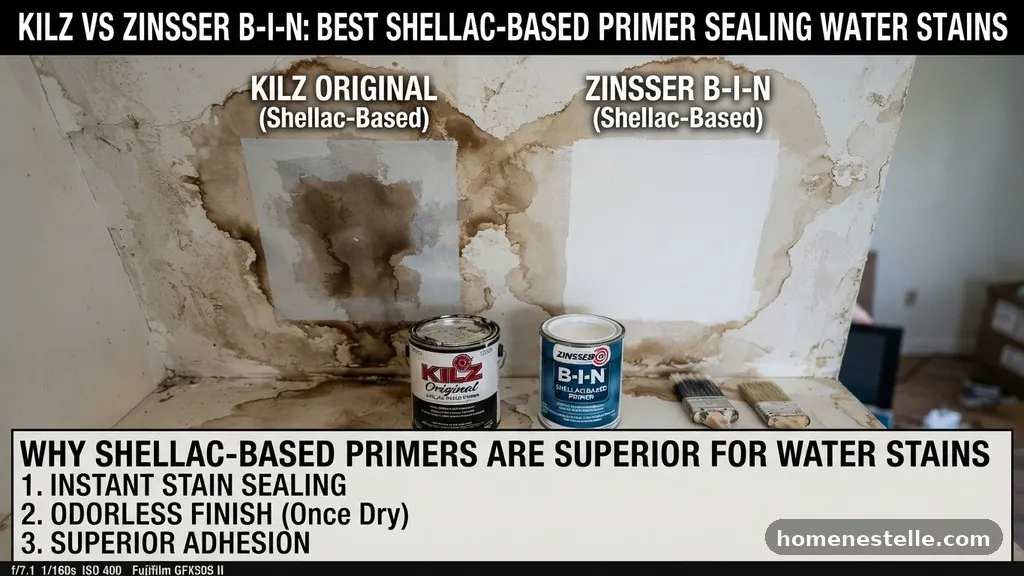
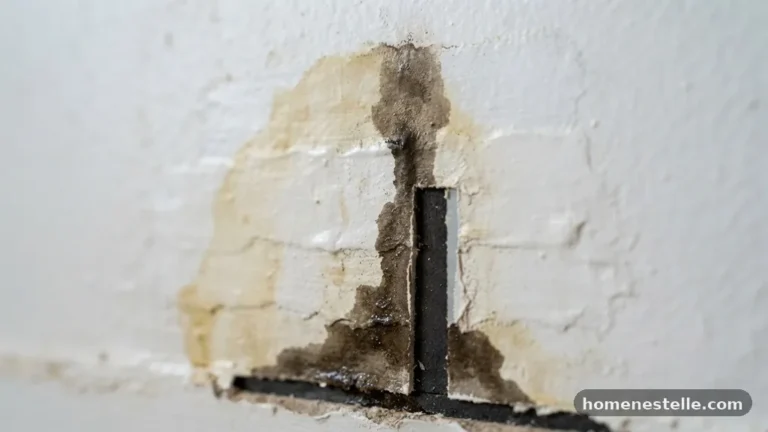
Water stains are notorious for bleeding through standard wall paint because they are often water-soluble. When you apply a water-based primer or paint over a fresh water stain, the moisture in the new coating reactivates the dried minerals and tannins in the damaged substrate. This causes the stain to wick upward, effectively ruining your new finish and leaving you with a yellow or brown discoloration.
Shellac-based primers operate on an entirely different mechanism than their latex counterparts. Because shellac is a natural resin dissolved in denatured alcohol, it dries almost instantly upon evaporation.
Once dry, it forms a hard, non-porous film that acts as a physical barrier. This barrier prevents the water-soluble components of the stain from migrating into the new paint layer.
The chemical structure of shellac also offers unparalleled bonding properties. It adheres to surfaces where latex paints typically fail, such as glossy tile, varnished wood, or even metal. If you are dealing with persistent water stains on a ceiling or wall, the ability of a shellac-based product to lock those compounds down is non-negotiable.
The Core Differences Between Kilz and Zinsser B-I-N
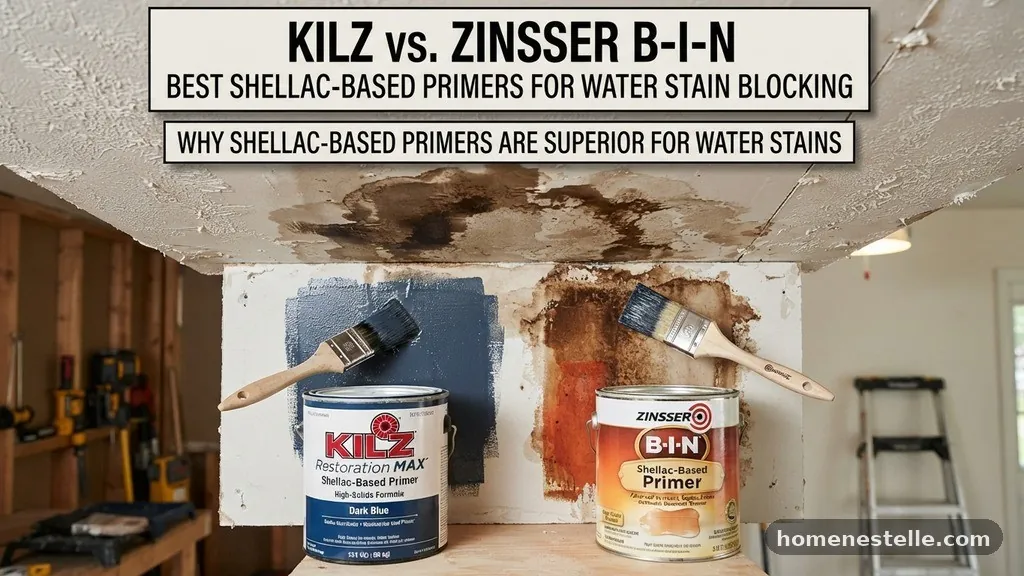
When comparing Kilz vs Zinsser B-I-N, it is important to note that both brands offer multiple product lines. Kilz is widely recognized for its diverse range of oil, water, and synthetic primers, while Zinsser B-I-N is a specific, high-performance product line focused on shellac-based solutions. When professionals discuss the best shellac-based primer, they are usually comparing the specific Zinsser B-I-N Shellac-Base Primer against the Kilz Original or their specialized shellac options.
Zinsser B-I-N is often considered the gold standard for extreme stain blocking. It is specifically formulated to seal severe damage, including fire-related soot and heavy water rings. Kilz Original is a workhorse in the industry, but it is often oil-based rather than shellac-based, which changes its odor profile and drying time.
If you are specifically seeking a shellac-based product for a difficult stain, Zinsser B-I-N is the clear leader in terms of market saturation and consistent performance. However, Kilz has introduced specialized products that compete in this space. Always check the label to ensure you are selecting a shellac-based formula rather than a standard oil-based primer, as the performance characteristics are vastly different.
Performance on Severe Water Stains
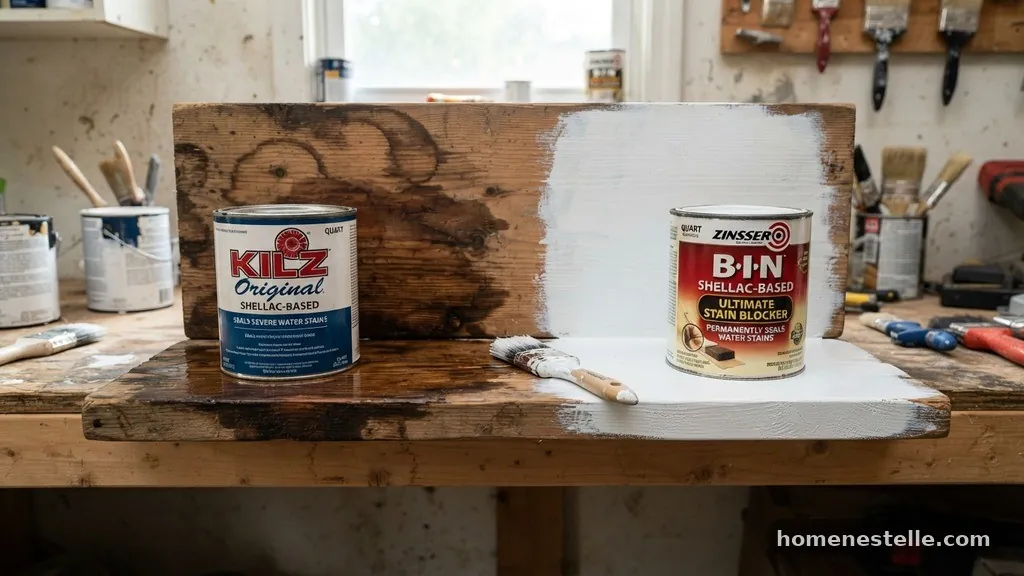
Water stains vary in intensity depending on how long the leak persisted and what materials were damaged. A minor condensation ring requires less sealing power than a deep, dark brown stain caused by a burst pipe. Zinsser B-I-N excels in these high-intensity scenarios because of its high solids content.
The high solids content in B-I-N ensures that you get thick, uniform coverage that blocks the stain in fewer coats. Kilz products, particularly the oil-based variants, are excellent for general priming, but they sometimes require a second coat to fully hide deep tannin bleed. In the world of restoration, efficiency is key, and getting a total seal in one pass saves significant labor time.
For those curious about the technical specifications of various primers, the National Park Service provides guidance on paint and surface preparation for various substrates. Understanding the underlying surface chemistry is essential for long-term success. Using a shellac-based product like B-I-N on a porous surface like new drywall can also help seal it against moisture more effectively than a standard PVA primer.
Odor Considerations and Application
One of the most noticeable differences when using shellac-based primers is the intense smell. Because these primers are suspended in alcohol, they have a very sharp, chemical odor during application. Both Kilz and Zinsser B-I-N require excellent ventilation when used indoors.
You should always use a respirator and keep windows open to ensure air circulation. The smell of shellac dissipates relatively quickly once the alcohol evaporates, which usually happens in about 30 to 45 minutes. This is a significant advantage over oil-based primers, which can off-gas for days after application.
If you are working in a tight, unventilated space, the speed of drying is your best friend. Zinsser B-I-N is known for its exceptionally fast dry time, which allows you to move on to your finish coat sooner. Kilz products generally offer a similar drying profile, but you must ensure you are using their shellac-based line to get the same benefits.
Ease of Cleanup and Tool Maintenance
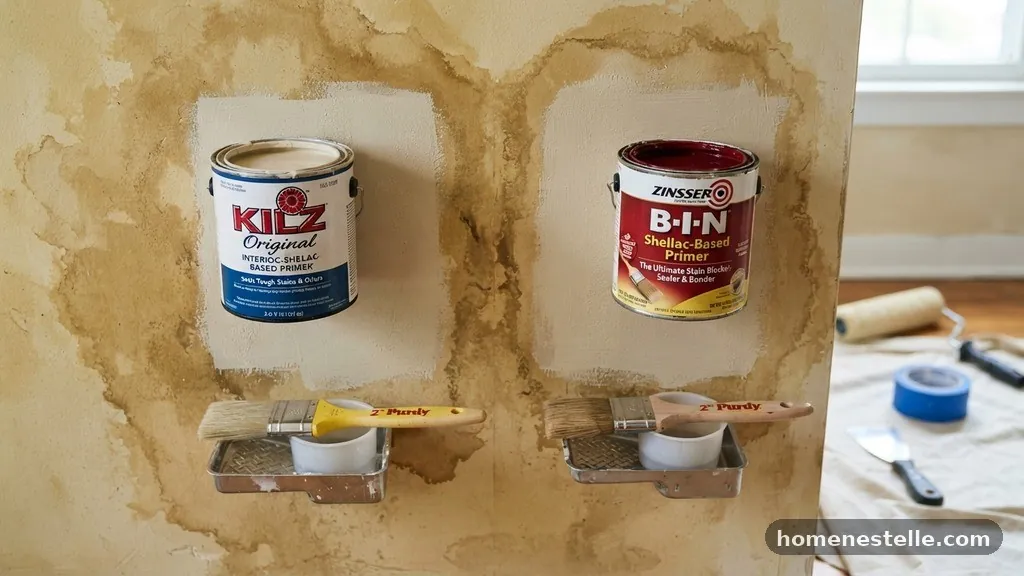
Shellac-based primers cannot be cleaned up with water. You will need denatured alcohol or a specialized brush cleaner to remove the product from your tools. This is a common point of frustration for DIYers who are used to the ease of water-based latex paint.
If you do not clean your brushes immediately after use, the shellac will harden and ruin the bristles. Many professionals choose to use inexpensive, disposable brushes for shellac work to avoid the hassle of cleaning. This is often more cost-effective than purchasing high-end solvents.
When choosing between Kilz vs Zinsser B-I-N, consider the cost of the necessary cleaning supplies. While the price per gallon of the primer might be similar, the total cost of the project includes the solvents required to maintain your equipment. Always have a dedicated container of denatured alcohol on hand before you start the job.
Comparison Table of Key Features
To help you decide which product fits your specific needs, consider the following comparison of typical performance metrics for shellac-based primers.
| Feature | Zinsser B-I-N | Kilz (Shellac-Based) |
|---|---|---|
| Primary Solvent | Denatured Alcohol | Denatured Alcohol |
| Drying Time | ~45 Minutes | ~45 Minutes |
| Stain Blocking | Excellent (Industry Standard) | Very Good |
| Odor Level | High (Alcohol) | High (Alcohol) |
| Cleanup | Denatured Alcohol | Denatured Alcohol |
Surface Preparation Before Priming
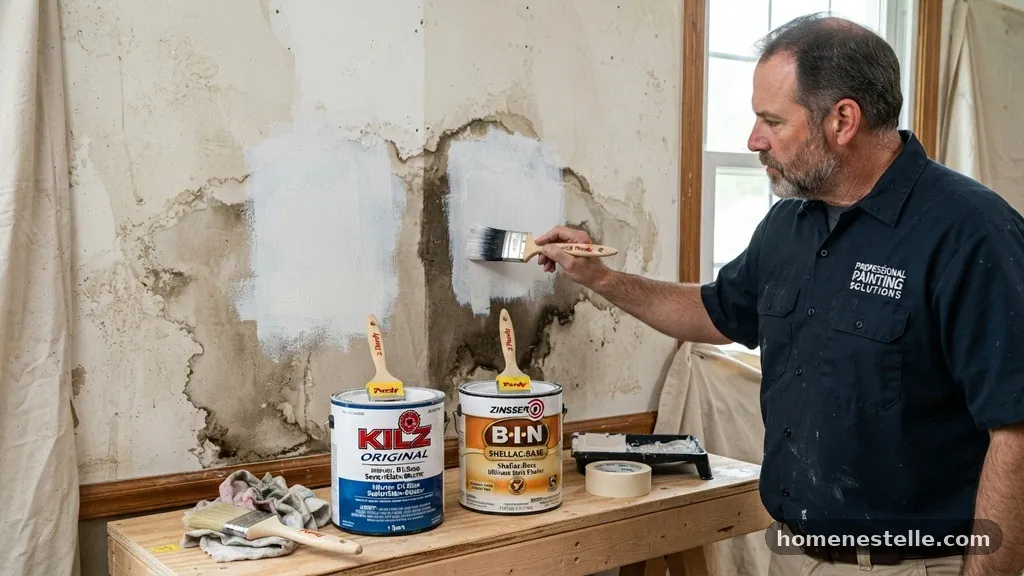
Even the best primer cannot fix a surface that is structurally compromised. Before applying any product, you must ensure the area is clean, dry, and free of loose debris. If the water stain is accompanied by mold or mildew, you must treat the surface with a biocide first.
Applying shellac over active mold will not kill the fungus; it will simply trap it under a hard shell. Once the area is clean and dry, use a light-grit sandpaper to smooth out any raised wood fibers or bubbling paint edges. This creates a better profile for the primer to adhere to.
Only after the surface is prepped should you open your gallon of primer. Stir the contents thoroughly, as shellac-based primers can have pigments that settle at the bottom of the can. A consistent mix is vital for even stain blocking across the entire surface.
Application Techniques for Best Results
When applying shellac-based primers, work in thin, even coats. Because the product dries so rapidly, you should avoid over-brushing or going back over areas that have already begun to set. This can lead to “dragging” or visible brush marks that are difficult to sand out.
If you are using a spray application, ensure you are using equipment rated for flammable solvents. Shellac-based primers are highly flammable, and the spray mist can be an ignition hazard. Proper PPE, including a mask and goggles, is essential during the spraying process.
For standard brush and roller applications, use a synthetic brush designed for use with alcohol-based products. Natural bristles can sometimes absorb too much alcohol and become limp. A high-quality nylon or polyester brush will provide the best control and the smoothest finish.
Choosing the Right Product for Your Budget
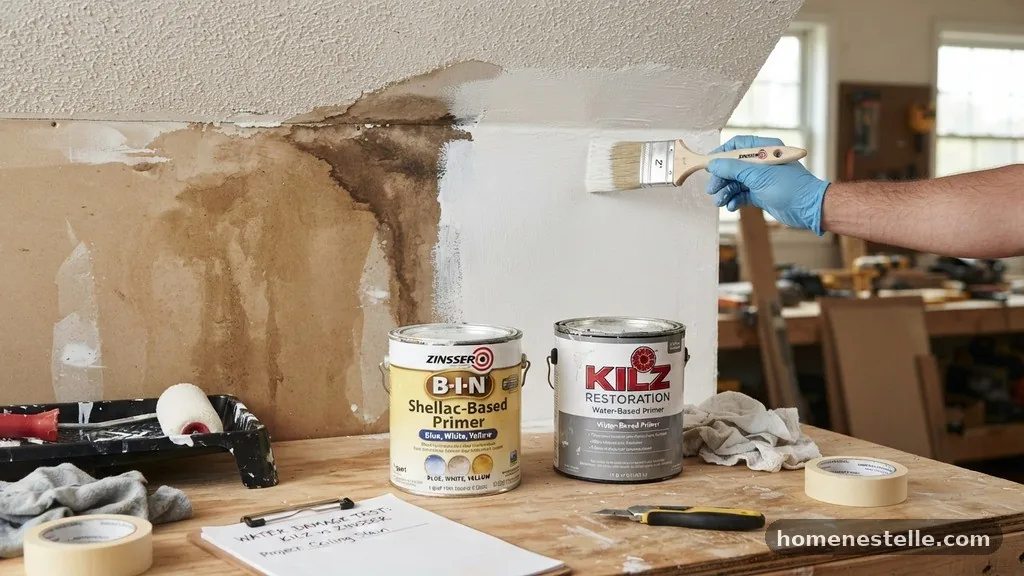
The cost of shellac-based primers is generally higher than standard latex or oil-based primers. This is due to the natural origin of the shellac resin and the specialized solvent formulation. When comparing Kilz vs Zinsser B-I-N, prices can fluctuate based on local availability and retailer markups.
For a small project, such as a single ceiling stain, a quart of primer is usually sufficient. If you are dealing with an entire room affected by smoke or water damage, buying by the gallon is more economical. Always factor in the cost of the cleaning solvent when budgeting for your materials.
Remember that the cost of the primer is small compared to the cost of re-doing a paint job that failed. Using a premium product the first time is significantly cheaper than having to strip, prime, and paint a second time because the stain bled through. Invest in the right tool for the job to ensure a long-lasting, professional result.
Common Mistakes to Avoid
One of the most frequent errors is applying a water-based primer over a shellac-based primer too quickly. While the shellac dries in under an hour, it is best to wait a full two hours before top-coating. This ensures the solvent has completely gassed off.
Another common mistake is failing to shake or stir the can properly. The stain-blocking pigments are heavy and settle quickly, leading to a thin, watery application that fails to hide the stain. If the primer looks translucent on the wall, you likely didn’t mix it well enough.
Finally, do not attempt to thin these products with water. They are alcohol-based and will curdle or fail to perform if mixed with anything other than denatured alcohol. Always read the manufacturer’s instructions on the side of the can before beginning your application.
Frequently Asked Questions
Is shellac primer better than Kilz oil-based primer?
Shellac-based primers are generally superior for severe water stains, nicotine, and smoke damage because they create a completely non-porous seal. While oil-based primers are excellent for general adhesion and wood sealing, they may not block intense water-soluble stains as effectively as shellac.
Can I use shellac primer on new drywall?
Yes, you can, but it is typically overkill for standard new drywall. Shellac is intended for difficult surfaces and stain blocking. For new, clean drywall, a high-quality PVA primer is usually more cost-effective and easier to apply.
How do I know if my water stain is completely blocked?
Once the primer is dry, look at the stain under bright, direct light. If you see any yellowing or brown tinting coming through the white primer, you need a second coat. Never apply your finish paint until the primer has completely covered the discoloration.
Is it safe to use shellac primer in a bedroom?
It is safe once fully cured, but you must prioritize ventilation during the application process. The high concentration of alcohol fumes can be overwhelming in a closed room. Keep windows open and use a fan to exhaust the air until the smell is gone.
Can I paint over shellac primer with latex paint?
Absolutely. Once the shellac primer has fully dried and the alcohol has evaporated, it provides an excellent base for any type of topcoat, including water-based latex, acrylic, or oil-based paints. The shellac creates a uniform surface that promotes excellent adhesion for your final finish.
Conclusion
Selecting the right primer is the most important step in any successful paint project involving water damage. Whether you choose Kilz or Zinsser B-I-N, opting for a shellac-based formula provides the chemical barrier necessary to stop stains from migrating into your finish. While these products require careful handling due to their strong odor and fast drying time, their performance on stubborn stains remains unmatched by standard primers.
By focusing on proper surface preparation and following the application guidelines, you can ensure that your walls or ceilings remain pristine for years to come. Take the time to evaluate your specific stain intensity, choose the right tools, and enjoy the peace of mind that comes with a professionally sealed surface.