How to Declutter Your Home Without Feeling Guilty
Decluttering can feel emotionally challenging, especially when your home is filled with sentimental items, expensive purchases, or gifts from loved ones. Many people hold onto belongings because they feel guilty about letting them go, even when those items no longer serve a purpose. The result is often a home that feels crowded, stressful, and difficult to maintain.
The good news is that decluttering doesn’t have to mean throwing everything away. Instead, it’s about making thoughtful decisions that create a home supporting your current lifestyle rather than your past. Keeping only the items you truly use, love, or need allows your space to become more peaceful, functional, and enjoyable.
Small, consistent progress is often far more effective than trying to organize your entire house in one weekend. By approaching decluttering with kindness and realistic expectations, you can reduce stress while building lasting habits.
In my experience, the hardest part isn’t deciding what to keep—it’s letting go of unnecessary guilt. Once that mindset changes, organizing becomes much easier.
These practical ideas will help you declutter confidently while creating a home that feels lighter, calmer, and more organized.
Table of Contents
- Start with One Small Area
- Focus on Your Current Lifestyle
- Let Go of Guilt About Money
- Donate Items Someone Else Can Use
- Keep Meaningful Memories, Not Everything
- Set Simple Decluttering Goals
- Create Easy Organization Systems
- Avoid Bringing Home Unnecessary Items
- Celebrate Small Progress
- Maintain Daily Decluttering Habits
1. Start with One Small Area
Quick Benefits
- Prevents overwhelm
- Builds momentum
- Faster results
- Easier decisions
- Encourages consistency
Why It Works
Beginning with one drawer, shelf, or cabinet creates quick wins that build confidence. Small successes make larger decluttering projects feel much more manageable.
I’ve found completing one small space often motivates people to continue organizing the rest of the home.
How To Style It
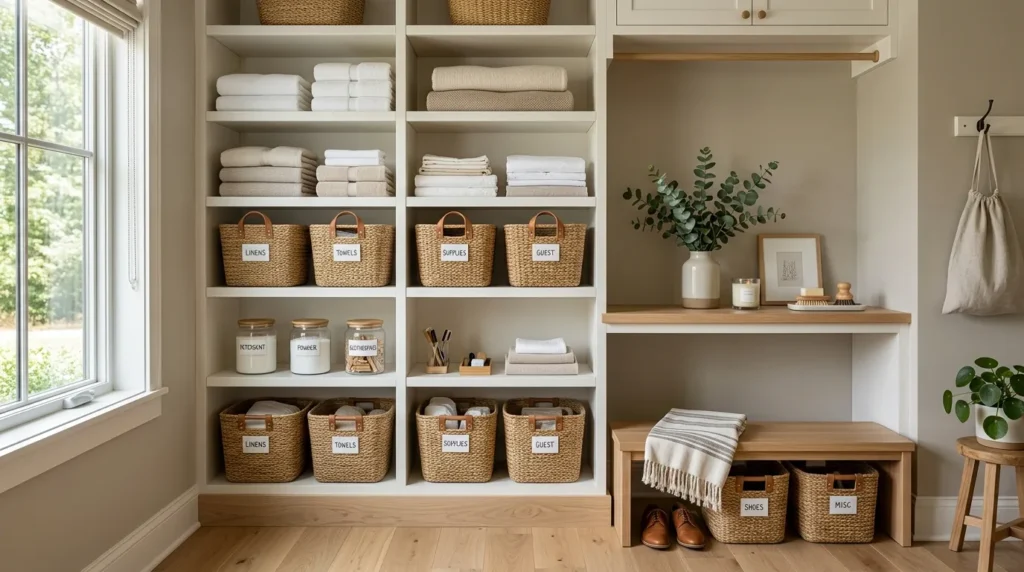
Choose one drawer, bathroom cabinet, or nightstand and completely finish that area before moving on.
2. Focus on Your Current Lifestyle
Quick Benefits
- Simplifies decisions
- Reduces clutter
- Supports daily routines
- Creates functionality
- Encourages mindful living
Why It Works
Your home should reflect how you live today rather than who you were years ago. Keeping only useful and meaningful items creates a more supportive environment.
I’ve found asking whether an item fits your current lifestyle makes decluttering much easier.
How To Style It
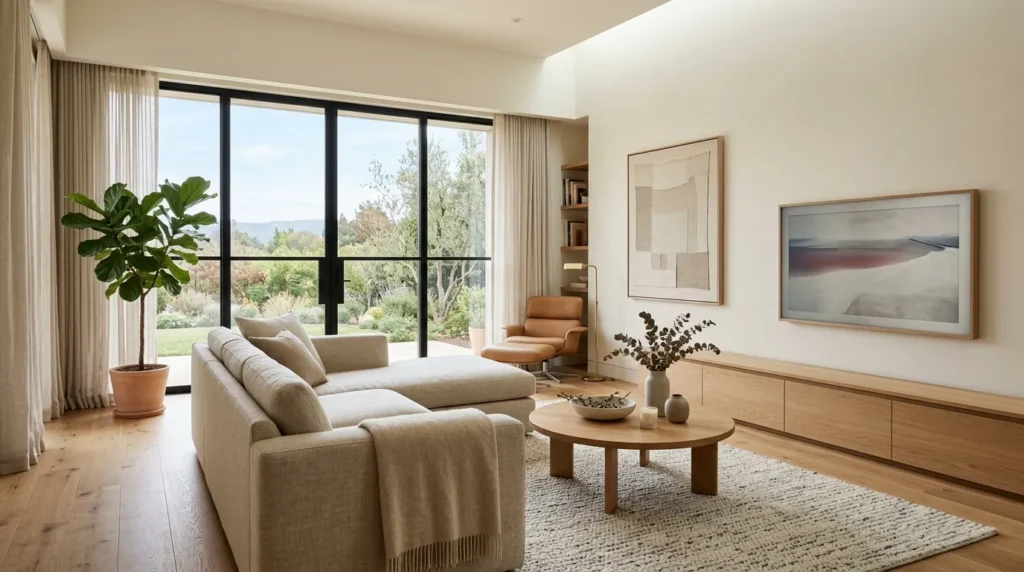
Keep frequently used belongings accessible while letting go of items that no longer fit your needs.
3. Let Go of Guilt About Money
Quick Benefits
- Reduces emotional stress
- Encourages healthier decisions
- Creates freedom
- Supports organization
- Builds confidence
Why It Works
Keeping unused items doesn’t recover the money already spent. Instead, it often creates unnecessary clutter that adds stress to daily life.
I’ve found accepting past purchases makes it easier to move forward with confidence.
How To Style It
Sell, donate, or responsibly recycle items that no longer add value instead of storing them indefinitely.
4. Donate Items Someone Else Can Use
Quick Benefits
- Helps others
- Reduces waste
- Frees space
- Creates purpose
- Supports community
Why It Works
Knowing your belongings can benefit someone else often makes letting go feel more positive. Donation gives unused items a second life.
I’ve found donating quality items reduces much of the guilt associated with decluttering.
How To Style It
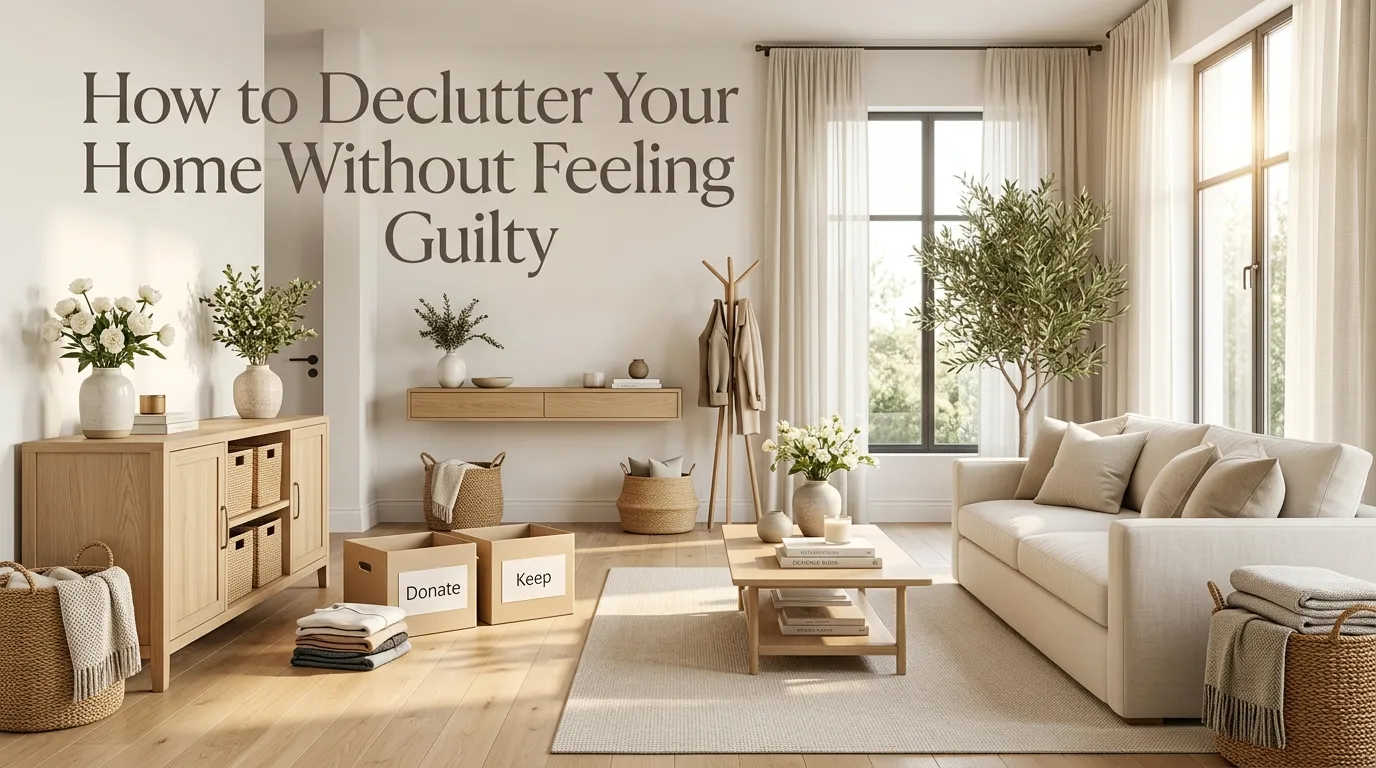
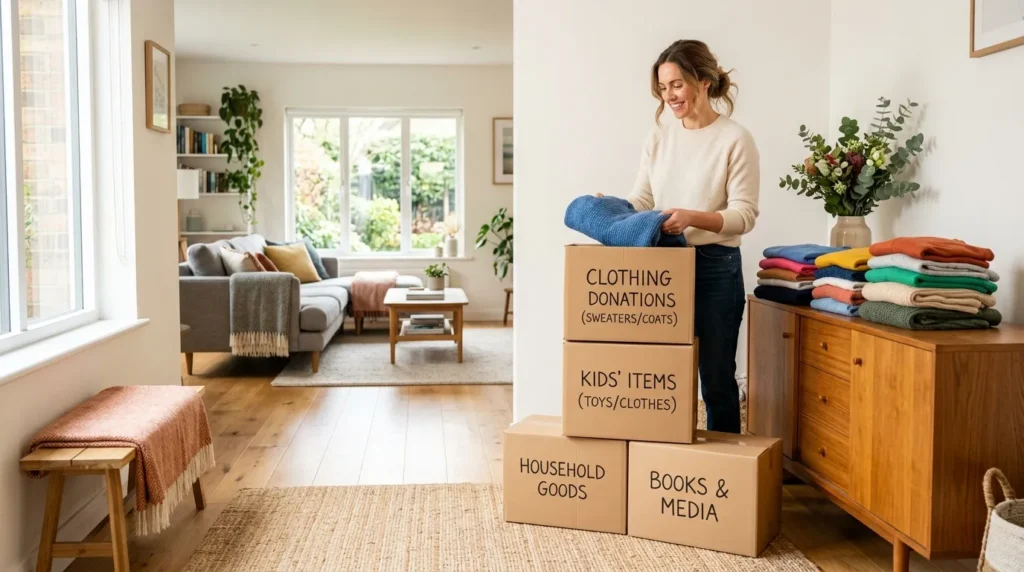
Place donation boxes near your organizing area and schedule regular drop-offs to prevent items from returning indoors.
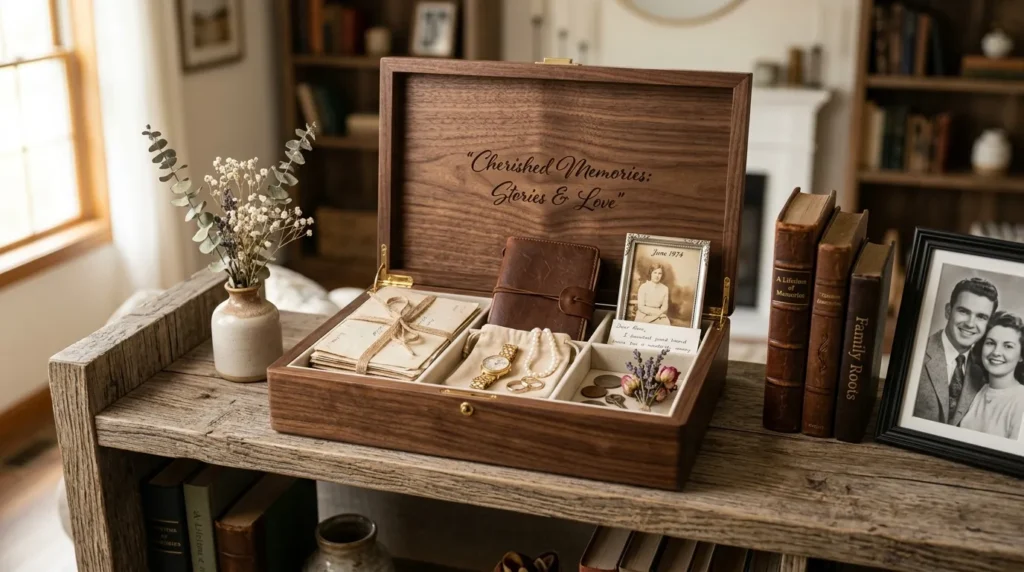
5. Keep Meaningful Memories, Not Everything
Quick Benefits
- Preserves important memories
- Reduces clutter
- Simplifies storage
- Less emotional stress
- More intentional living
Why It Works
Memories are connected to experiences rather than the number of objects you own. Keeping a few meaningful items often feels more special than storing everything.
I’ve found carefully chosen keepsakes become even more valuable over time.
How To Style It
Create one memory box for treasured items and photograph sentimental objects before letting them go if appropriate.
6. Set Simple Decluttering Goals
Quick Benefits
- Keeps you motivated
- Prevents burnout
- Builds consistency
- Easier to maintain
- Encourages progress
Why It Works
Small, realistic goals make decluttering feel achievable. Instead of trying to organize an entire home at once, focusing on one task at a time creates lasting habits.
I’ve found 15 to 20 minutes of decluttering each day often produces better long-term results than occasional marathon sessions.
How To Style It
Choose one daily goal, such as organizing a single shelf, clearing one countertop, or filling one donation bag.
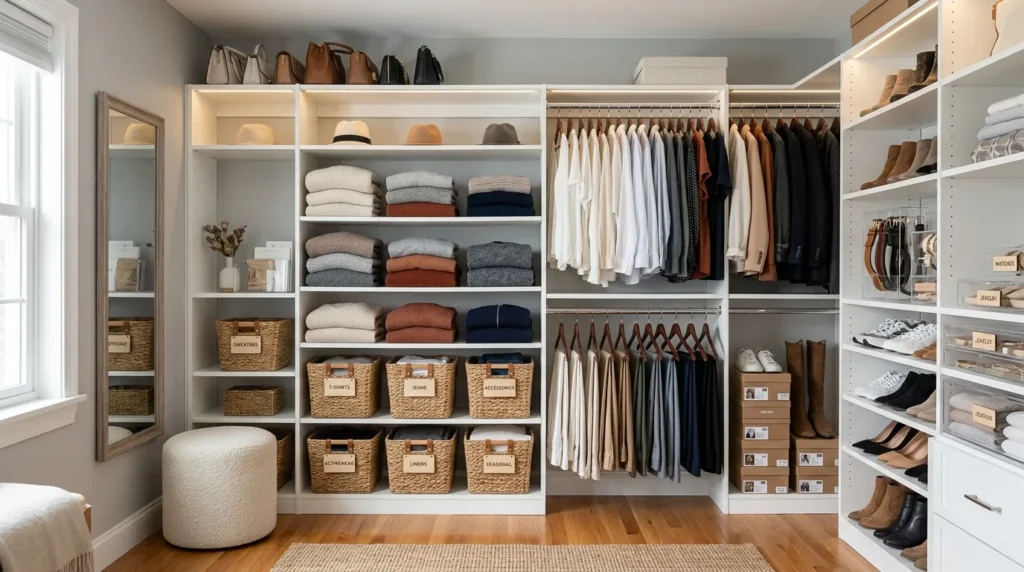
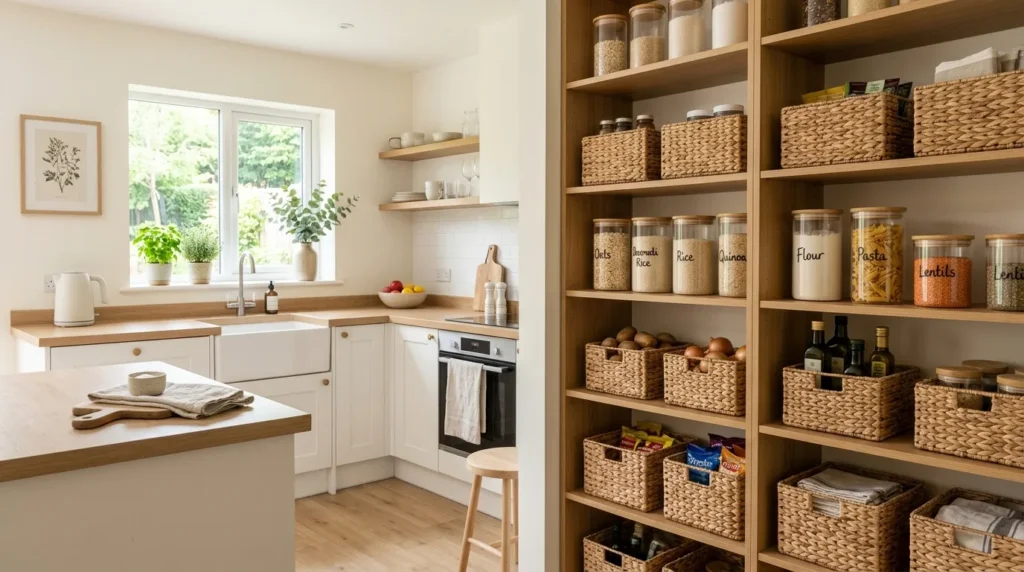
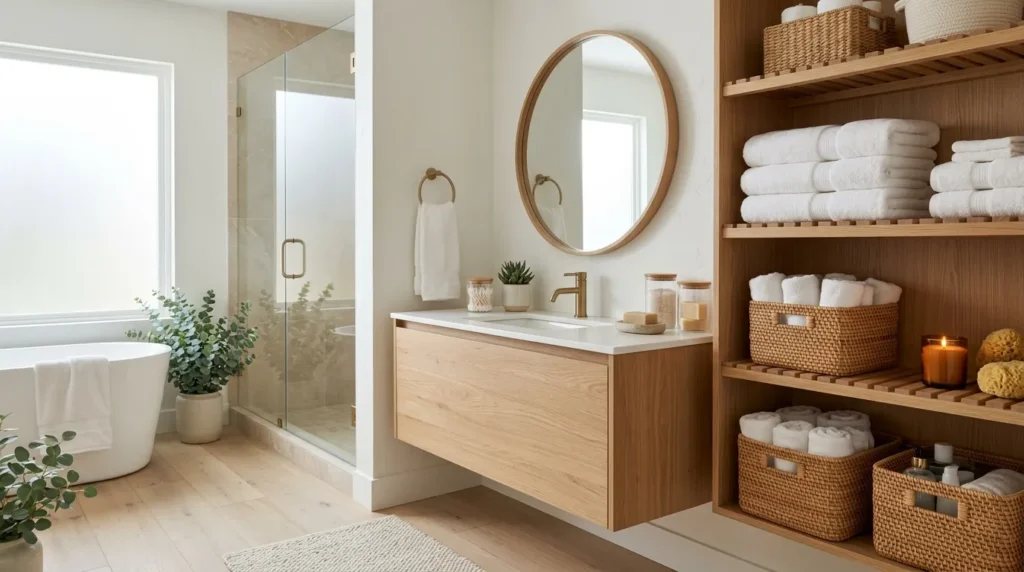
7. Create Easy Organization Systems
Quick Benefits
- Saves time
- Keeps rooms tidy
- Reduces stress
- Easier cleaning
- Long-lasting organization
Why It Works
Simple storage systems make it easier to return items to their proper places, preventing clutter from building up again.
I’ve found the best organization systems are the ones you’ll actually use every day.
How To Style It
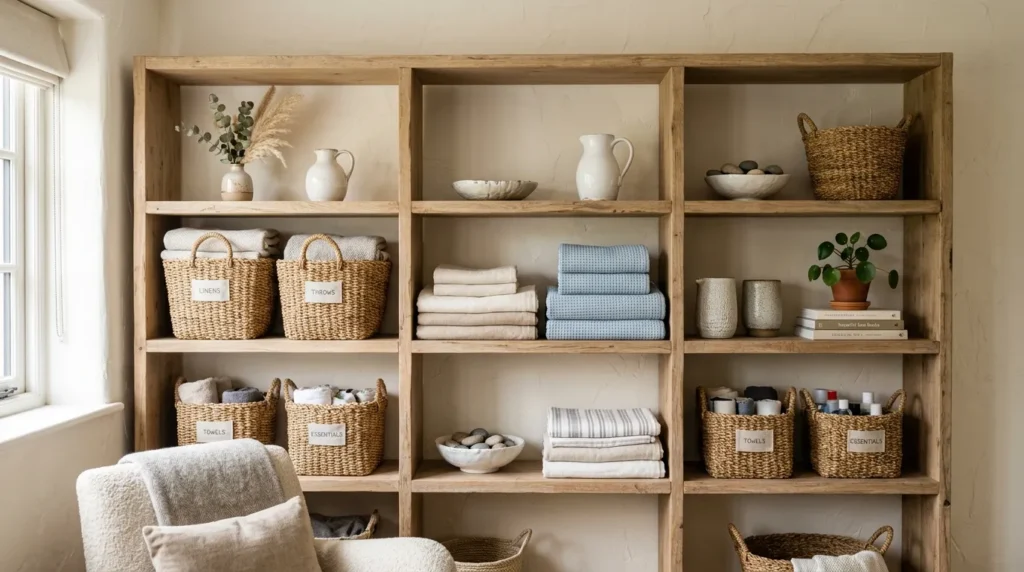
Use baskets, bins, drawer dividers, clear containers, and labeled storage to give every item a designated home.
8. Avoid Bringing Home Unnecessary Items
Quick Benefits
- Prevents future clutter
- Saves money
- Encourages mindful shopping
- Easier maintenance
- Supports simple living
Why It Works
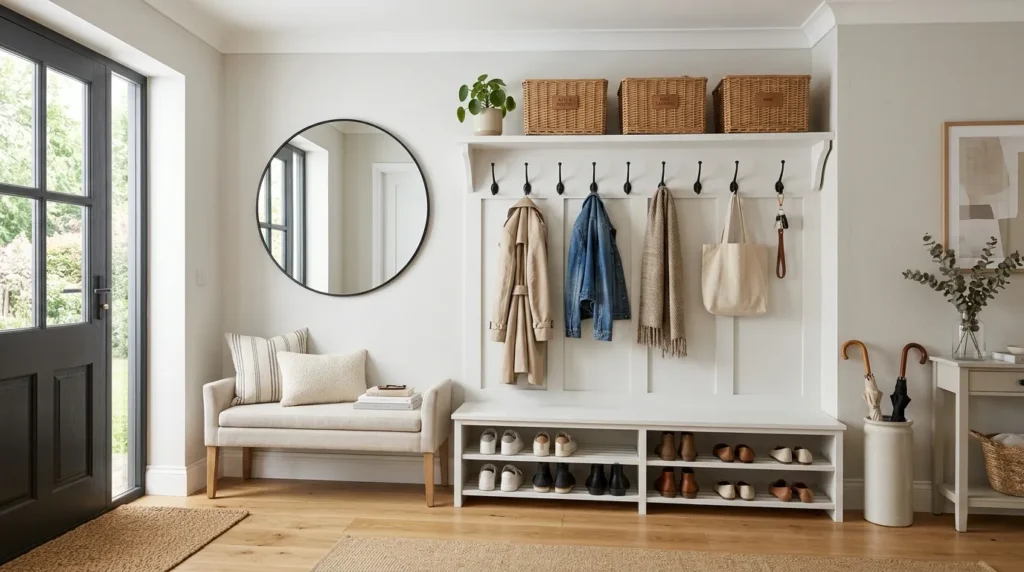
Decluttering becomes much easier when fewer unnecessary items enter your home. Thoughtful purchasing decisions reduce future organizing work.
I’ve found pausing before buying often eliminates impulse purchases.
How To Style It
Ask yourself whether an item has a clear purpose, where it will be stored, and whether you truly need it before purchasing.
9. Celebrate Small Progress
Quick Benefits
- Builds motivation
- Encourages consistency
- Creates positive habits
- Reduces overwhelm
- Boosts confidence
Why It Works
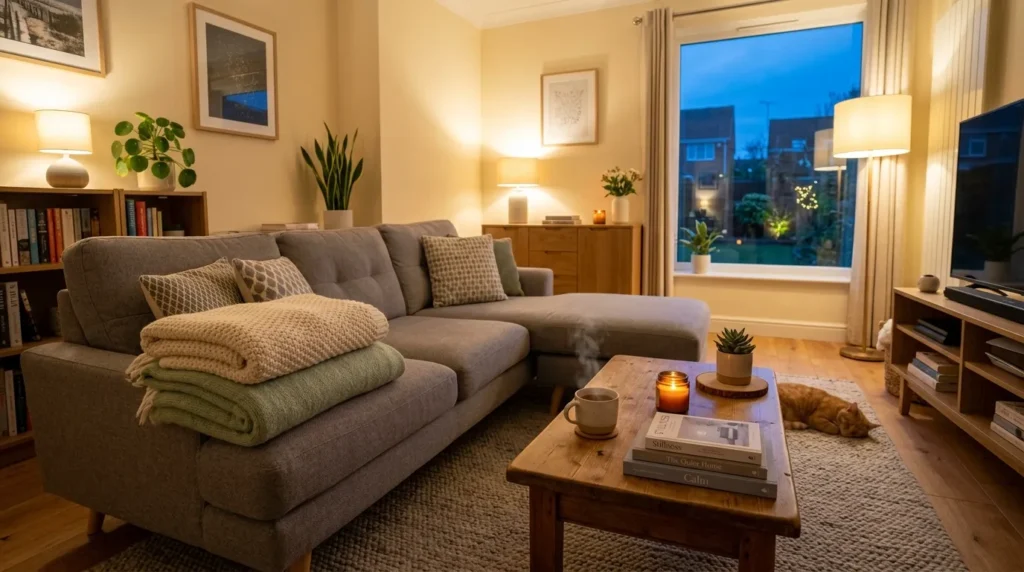
Recognizing small accomplishments keeps decluttering enjoyable and sustainable. Every organized drawer or cleared shelf contributes to a calmer home.
I’ve found progress matters far more than perfection.
How To Style It
Take before-and-after photos, reward yourself after completing projects, and appreciate the extra space you’ve created.
10. Maintain Daily Decluttering Habits
Quick Benefits
- Keeps clutter under control
- Saves time
- Creates lasting routines
- Reduces stress
- Easier home maintenance
Why It Works
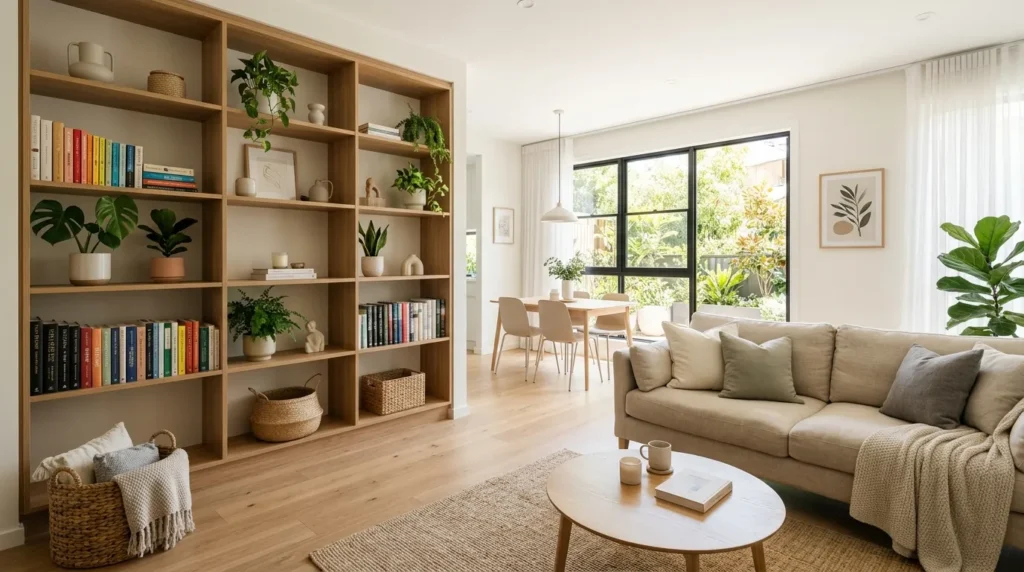
Daily habits prevent clutter from returning and make organizing feel effortless over time. Small actions consistently produce lasting results.
I’ve found spending just a few minutes tidying each evening makes the entire home feel more manageable.
How To Style It
Return items to their designated places, clear countertops, sort mail, and complete a quick nightly reset before bed.
Frequently Asked Questions
How do I declutter without feeling guilty?
Focus on your current needs rather than past purchases. Donate useful items, keep meaningful belongings, and remember that unused possessions don’t serve you by staying stored away.
What is the easiest place to start decluttering?
Begin with a small area like a bathroom drawer, kitchen cabinet, or bedside table to build confidence and momentum.
How long should I declutter each day?
Fifteen to twenty minutes is enough to make steady progress without feeling overwhelmed.
What should I do with sentimental items?
Keep only the most meaningful pieces, store them in one memory box, and consider photographing items you no longer have space to keep.
How can I keep my home clutter-free?
Develop simple daily habits, avoid unnecessary purchases, and regularly donate items you no longer use.
Conclusion
Decluttering isn’t about creating a perfectly minimalist home—it’s about making space for the things that truly improve your daily life. By letting go of guilt, focusing on small achievable goals, and building simple organizing habits, you can create a home that feels calmer, more functional, and easier to maintain.
Every drawer you organize and every item you thoughtfully release brings you closer to a home that supports your current lifestyle instead of overwhelming it.
With patience, consistency, and a compassionate mindset, decluttering becomes less about letting go and more about making room for what matters most.
Related Articles
- How to Organize a Small Bedroom with Simple Hacks
- How to Decorate a Living Room That Feels Luxurious
- 10 Cozy Neutral Aesthetic Bedroom Ideas
- 10 Small Balcony Ideas for Relaxing Evenings
- 10 DIY Garden Projects That Look Professionally Designed